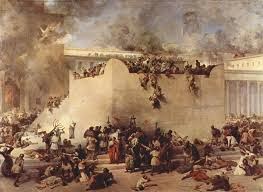
Linggo, Marso 9, 2014

Republict Act No. 9851 Philippine Act on Crimes Against International Humanitarian Law, Genocide, and Other Crime Against Humanity.

Republic of the Philippines
Congress of the Philippines

Metro Manila
Fourteenth Congress
Third Regular Session

Begun and held in Metro Manila, on Monday, the twenty-seventh day of July, two thousand nine.
REPUBLIC ACT NO. 9851
AN ACT DEFINING AND PENALIZING CRIMES AGAINST INTERNATIONAL HUMANITARIAN LAW, GENOCIDE AND OTHER CRIMES AGAINST HUMANITY, ORGANIZING JURISDICTION, DESIGNATING SPECIAL COURTS, AND FOR RELATED PURPOSES
Be it enacted by the Senate and House of Representatives of the Philippines in Congress assembled:
CHAPTER I
INTRODUCTORY PROVISIONS
Section 1. Short Title. - This Act shall be known as the "Philippine Act on Crimes Against International Humanitarian Law, Genocide, and Other Crimes Against Humanity".
Section 2. Declaration of Principles and State Policies. -
(a) The Philippines renounces war as an instrument of national policy, adopts the generally accepted principles of international law as part of the law of the land and adheres to a policy of peace, equality, justice, freedom, cooperation and amity with all nations.
(b) The state values the dignity of every human person and guarantees full respect for human rights, including the rights of indigenous cultural communities and other vulnerable groups, such as women and children;
(c) It shall be the responsibility of the State and all other sectors concerned to resolved armed conflict in order to promote the goal of "Children as Zones of Peace";
(d) The state adopts the generally accepted principles of international law, including the Hague Conventions of 1907, the Geneva Conventions on the protection of victims of war and international humanitarian law, as part of the law our nation;
(e) The most serious crimes of concern to the international community as a whole must not go unpunished and their effective prosecution must be ensured by taking measures at the national level, in order to put an end to impunity for the perpetrators of these crimes and thus contribute to the prevention of such crimes, it being the duty of every State to exercise its criminal jurisdiction over those responsible for international crimes;
(f) The State shall guarantee persons suspected or accused of having committed grave crimes under international law all rights necessary to ensure that their trial will be fair and prompt in strict accordance with national and international law and standards for fair trial, It shall also protect victims, witnesses and their families, and provide appropriate redress to victims and their families, It shall ensure that the legal systems in place provide accessible and gender-sensitive avenues of redress for victims of armed conflict, and
(g)The State recognizes that the application of the provisions of this Act shall not affect the legal status of the parties to a conflict, nor give an implied recognition of the status of belligerency
CHAPTER II
DEFINITION OF TERMS
Section 3. For purposes of this Act, the term:
(a) "Apartheid' means inhumane acts committed in the context of an institutionalized regime of systematic oppression and domination by one racial group or groups and committed with the intention of maintaining that regime
(b) "Arbitrary deportation or forcible transfer of population" means forced displacement of the persons concerned by expultion by expulsion or other coercive acts from the area in which they are lawfully present, without grounds permitted under domestic or international law.
(c) "Armed conflict" means any use of force or armed violence between States or a protracted armed violence between governmental authorities and organized armed groups or between such groups within that State: Provided, That such force or armed violence gives rise, or may give rise, to a situation to which the Geneva Conventions of 12 August 1949, including their common Article 3, apply. Armed conflict may be international, that is, between two (2) or more States, including belligerent occupation; or non-international, that is, between governmental authorities and organized armed groups or between such groups within a state. It does not cover internal disturbances or tensions such as riots, isolated and sporadic acts of violence or other acts of a similar nature.
(d) "Armed forces" means all organized armed forces, groups and units that belong to a party to an armed conflict which are under a command responsible to that party for the conduct of its subordinates. Such armed forces shall be subject to an internal disciplinary system which enforces compliance with International Humanitarian Law
(e) "Attack directed against any civilian population" means a course of conduct involving the multiple commission of acts referred to in Section 6 of this Act against any civilian population, pursuant to or in furtherance of a State or organizational policy to commit such attack.
(f) "Effective command and control" or " effective authority and control" means having the material ability to prevent and punish the commission of offenses by subordinates.
(g) "Enforced or involuntary disappearance of persons" means the arrest, detention, or abduction of persons by, or with the authorization support or acquiescence of, a State or a political organization followed by a refusal to acknowledge that deprivation of freedom or to give information on the fate or whereabouts of those persons, with the intention of removing from the protection of the law for a prolonged period of time
(h) "Enslavement" means the exercise of any or all of the powers attaching to the right of ownership over a person and includes the exercise of such power in the course of trafficking in persons, in particular women and children.
(i) "Extermination" means the international infliction of conditions of life, inter alia, the deprivation of access to food and medicine, calculated to bring about the destruction of a part of a population.
(j) " Forced pregnancy" means the unlawful confinement of a women to be forcibly made pregnant, with the intent of affecting the ethnic composition of any population carrying out other grave violations of international law.
(k) "Hors de Combat" means a person who:
(1) is in the power of an adverse party;
(2) has clearly expressed an intention to surrender; or
(3) has been rendered unconscious or otherwise incapacitated by wounds or sickness and therefore is incapable of defending himself: Provided, that in any of these cases, the person form any hostile act and does not attempt to escape.
    (l) "Military necessity" means the necessity of employing measures which are indispensable to achieve a legitimate aim of the conflict and are not otherwise prohibited by International Humanitarian Law
    (m) "Non-defended locality" means a locality that fulfills the following conditions:
    (1) all combatants, as well as mobile weapons and mobile military equipment, must have been evacuated;
    (2) no hostile use of fixed military installations or establishments must have been made;
    (3) no acts of hostility must have been committed by the authorities or by the population; and
    (4) no activities in support of military operations, must have been undertaken.
    (n) "No quarter will be given' means refusing to spare the life of anybody, even of persons manifestly unable to defend themselves or who clearly express their intention to surrender.
    (o) "Perfidy" means acts which invite the confidence of an adversary to lead him/her to believe he/she is entitled to, or is obliged to accord, protection under the rules of International Humanitarian Law, with the intent to betray that confidence, including but not limited to:
    (1) feigning an intent to negotiate under a flag of truce;
    (2) feigning surrender;
    (3) feigning incapacitation by wounds or sickness;
    (4) feigning civilian or noncombatant status; and
    (5) feigning protective status by use of signs, emblems or uniforms of the United Nations or of a neutral or other State not party to the conflict.
    (p) "Persecution" means the international and severe deprivation of fundamental rights contrary to international law by reason of identity of the group or collectivity.
    (q) "Protect person" in an armed conflict means:
    (1) a person wounded, sick or shipwrecked, whether civilian or military;
    (2) a prisoner of war or any person deprived of liberty for reasons related to an armed conflict;
    (3) a civilian or any person not taking a direct part or having ceased to take part in the hostilities in the power of the adverse party;
    (4) a person who, before the beginning of hostilities, was considered a stateless person or refugee under the relevant international instruments accepted by the parties to the conflict concerned or under the national legislation of the state of refuge or state of residence;
    (5) a member of the medical personnel assigned exclusively to medical purposes or to the administration of medical units or to the operation of or administration of medical transports; or
    (6) a member of the religious personnel who is exclusively engaged in the work of their ministry and attached to the armed forces of a party to the conflict, its medical units or medical transports, or non-denominational, noncombatant military personnel carrying out functions similar to religious personnel.
    (r) " Superior" means:
    (1) a military commander or a person effectively acting as a military commander; or
    (2) any other superior, in as much as the crimes arose from activities within the effective authority and control of that superior.
    (s) "Torture" means the intentional infliction of severe pain or suffering, whether physical, mental, or psychological, upon a person in the custody or under the control of the accused; except that torture shall not include pain or suffering arising only from, inherent in or incidental to, lawful sanctions.
    (t) "Works and installations containing dangerous forces" means works and installations the attack of which may cause the release of dangerous forces and consequent severe losses among the civilian population, namely: dams, dikes, and nuclear, electrical generation stations.
    CHAPTER III
    CRIMES AGAINST INTERNATIONAL HUMANITARIAN LAW,
    GENOCIDE AND OTHER CRIMES AGAINST HUMANITY
    Section 4. War Crimes. - For the purpose of this Act, "war crimes" or "crimes against Interntional Human Humanitarian Law" means:
    (a) In case of an international armed conflict , grave breaches of the Geneva Conventions of 12 August 1949, namely, any of the following acts against persons or property protected under provisions of the relevant Geneva Convention:
    (1) Willful killing;
    (2) Torture or inhuman treatment, including biological experiments;
    (3) Willfully causing great suffering, or serious injury to body or health;
    (4) Extensive destruction and appropriation of property not justified by military necessity and carried out unlawfully and wantonly;
    (5) Willfully depriving a prisoner of war or other protected person of the rights of fair and regular trial;
    (6) Arbitrary deportation or forcible transfer of population or unlawful confinement;
    (7) Taking of hostages;
    (8) Compelling a prisoner a prisoner of war or other protected person to serve in the forces of a hostile power; and
    (9) Unjustifiable delay in the repatriation of prisoners of war or other protected persons.
    (b) In case of a non-international armed conflict, serious violations of common Article 3 to the four (4) Geneva Conventions of 12 August 1949, namely , any of the following acts committed against persons taking no active part in the hostilities, including member of the armed forces who have laid down their arms and those placed hors de combat by sickness, wounds, detention or any other cause;
    (1) Violence to life and person, in particular, willful killings, mutilation, cruel treatment and torture;
    (2) Committing outrages upon personal dignity, in particular, humiliating and degrading treatment;
    (3) Taking of hostages; and
    (4) The passing of sentences and the carrying out of executions without previous judgment pronounced by a regularly constituted court, affording all judicial guarantees which are generally recognized as indispensable.
    (c) Other serious violations of the laws and customs applicable in armed conflict, within the established framework of international law, namely:
    (1) Internationally directing attacks against the civilian population as such or against individual civilians not taking direct part in hostilities;
    (2) Intentionally directing attacks against civilian objects, that is, object which are not military objectives;
    (3) Intentionally directing attacks against buildings, material, medical units and transport, and personnel using the distinctive emblems of the Geneva Conventions or Additional Protocol III in conformity with intentional law;
    (4) Intentionally directing attacks against personnel, installations, material, units or vehicles involved in a humanitarian assistance or peacekeeping mission in accordance with the Charter of the United Nations, as ling as they are entitled to the protection given to civilians or civilian objects under the international law of armed conflict;
    (5) Launching an attack in the knowledge that such attack will cause incidental loss of life or injury to civilians or damage to civilian objects or widespread, long-term and severe damage to the natural environment which would be excessive in relation to the concrete and direct military advantage anticipated;
    (6) Launching an attack against works or installations containing dangerous forces in the knowledge that such attack will cause excessive loss of life, injury to civilians or damage to civilian objects, and causing death or serious injury to body or health .
    (7) Attacking or bombarding, by whatever means, towns, villages, dwellings or buildings which are undefended and which are not military objectives, or making non-defended localities or demilitarized zones the object of attack;
    (8) Killing or wounding a person in the knowledge that he/she is hors de combat, including a combatant who, having laid down his/her arms or no longer having means of defense, has surrendered at discretion;
    (9) Making improper use of a flag of truce, of the flag or the military insignia and uniform of the enemy or of the United Nations, as well as of the distinctive emblems of the Geneva Conventions or other protective signs under International Humanitarian Law, resulting in death, serious personal injury or capture;
    (10) Intentionally directing attacks against buildings dedicated to religion, education, art, science or charitable purposes, historic monuments, hospitals and places where the sick and wounded are collected, provided they are not military objectives. In case of doubt whether such building or place has been used to make an effective contribution to military action, it shall be presumed not to be so used;
    (11) Subjecting persons who are in the power of an adverse party to physical mutilation or to medical or scientific experiments of any kind, or to removal of tissue or organs for transplantation, which are neither justified by the medical, dental or hospital treatment of the person concerned nor carried out in his/her interest, and which cause death to or seriously endanger the health of such person or persons;
    (12) Killing, wounding or capturing an adversary by resort to perfidy;
    (13) Declaring that no quarter will be given;
    (14) Destroying or seizing the enemy's property unless such destruction or seizure is imperatively demanded by the necessities of war;
    (15) Pillaging a town or place, even when taken by assault;
    (16) Ordering the displacements of the civilian population for reasons related to the conflict, unless the security of the civilians involved or imperative military reasons so demand;
    (17) Transferring, directly or indirectly, by the occupying power of parts of its own civilian population into the territory it occupies, or the deportation or transfer of all or parts of the population of the occupied territory within or outside this territory;
    (18) Commiting outrages upon personal dignity, in particular, humiliating and degrading treatments;
    (19) Commiting rape, sexual slavery, enforced prostitution, forced pregnancy, enforced sterilization, or any other form of sexual violence also constituting a grave breach of the Geneva Conventions or a serious violation of common Article 3 to the Geneva Convensions;
    (20) Utilizing the presence of a civilian or other protected person to render certain points, areas or military forces immune from military operations;
    (21) Intentionally using starvation of civilians as a method of warfare by depriving them of objects indespensable to their survival, including willfully impeding relief supplies as provided for under the Geneva Conventions and their Additional Protocols;
    (22) In an international armed conflict, compelling the nationals of the hostile party to take part in the operations of war directed against their own country, even if they were in the belligerent's service before the commencement of the war;
    (23) In an international armed conflict, declaring abolished, suspended or inadmissible in a court of law the rights and actions of the nationals of the hostile party;
    (24) Commiting any of the following acts:
    (i) Conscripting, enlisting or recruiting children under the age of fifteen (15) years into the national armed forces;
    (ii) Conscripting, enlisting or recruiting children under the age of eighteen (18) years into an armed force or group other than the national armed forces; and
    (iii) Using children under the age of eighteen (18) years to participate actively in hostilities; and
    (25) Employing means of warfare which are prohibited under international law, such as:
    (i) Poison or poisoned weapons;
    (ii) Asphyxiating, poisonous or other gases, and all analogous liquids, materials or devices;
    (iii) Bullets which expand or flatten easily in the human body, such as bullets with hard envelopes which do not entirely cover the core or are pierced with incisions; and
    (iv) Weapons, projectiles and material and methods of warfare which are of the nature to cause superfluous injury or unecessary suffering or which are inherently indiscriminate in violation of the international law of armed conflict.
    Any person found guilty of commiting any of the acts specified herein shall suffer the penalty provided under Section 7 of this Act.
    Section 5. Genocide - (a) For the purpose of this Act, "genocide" means any of the following acts with intent to destroy, in whole or in part, a national, ethnic, racial, religious, social or any other similar stable and permanent group as such:
    (1) Killing members of the group;
    (2) Causing serious bodily or mental harm to members of the group;
    (3) Deliberately inflicting on the group conditions of life calculated to bring about its physical destruction in whole or in part;
    (4) Imposing measures intended to prevent births within the group; and
    (5) Forcibly transferring children of the group to another group.
    (b) It shall be unlawful for any person to directly and publicly incite others to commit genocide.
    Any person found guilty of committing any of the acts specified in paragraphs (a) and (b) of this section shall suffer the penalty provided under Section 7 of this Act.
    Section 6. Other Crimes Against Humanity. - For the purpose of this act, "other crimes against humanity" means any of the following acts when committed as part of a widespread or systematic attack directed against any civilian population, with knowledge of the attack:
    (a) Willful killing;
    (b) Extermination;
    (c) Enslavement;
    (d) Arbitrary deportation or forcible transfer of population;
    (e) Imprisonment or other severe deprivation of physical liberty in violation of fundamental rules of international law;
    (f) Torture;
    (g) Rape, sexual slavery, enforced prostitution, forced pregnancy, enforced sterilization, or any other form of sexual violence of comparable gravity;
    (h) Persecution against any identifiable group or collectivity on political, racial, national, ethnic, cultural, religious, gender, sexual orientation or other grounds that are universally recognized as impermissible under international law, in connection with any act referred to in this paragraph or any crime defined in this Act;
    (i) Enforced or involuntary disappearance of persons;
    (j) Apartheid; and
    (k) Other inhumane acts of a similar character intentionally causing great suffering, or serious injury to body or to mental or physical health.
    Any person found guilty of committing any of the acts specified herein shall suffer the penalty provided under Section 7 of this Act.
    CHAPTER IV
    PENAL PROVISIONS
    Section 7. Penalties. - Any person found guilty of committing any of the acts provided under Sections 4, 5 and 6 of this Act shall suffer the penalty of reclusion temporal in its medium to maximum period and a fine ranging from One hundred thousand pesos (Php 100,000.00) to Five hundred thousand pesos (Php 500,000.00).
    When justified by the extreme gravity of the crime, especially where the commision of any of the crimes specified herein results in death or serious physical injury, or constitutes rape, and considering the individual circumstances of the accused, the penalty of reclusion perpetua and a fine ranging from Five hundred thousand pesos (Php 500,000.00) to One million pesos (Php 1,000,000.00) shall be imposed.
    Any person found guilty of inciting others to commit genocide referred to in Section 5(b) of this Act shall suffer the penalty of prision mayor in its minimum period and a fine ranging from Ten thousand pesos (Php 10,000.00) to Twenty thousand pesos (Php 20,000.00).
    In addition, the court shall order the forfeiture of proceeds, property and assets derived, directly or indirectly, from that crime, without prejudice to the rights of bona fide third (3rd) parties. The court shall also impose the corresponding accessory penalties under the Revised Penal Code, especially where the offender is a public officer.
    CHAPTER V
    SOME PRINCIPLES OF CRIMINAL LIABILITY
    Section 8. Individual Criminal Responsibilities. - (a) In addition to existing provisions in Philippine law on principles of criminal responsibility, a person shall be criminally liable as principal for a crime defined and penalized in this Act if he/she:
    (1) Commits such a crime, whether as an individual, jointly with another or through another person, regardless of whether that other person is criminally responsible;
    (2) Orders, solicits or induces the commission of such a crime which in fact occurs or is attempted;
    (3) In any other way contributes to the commission or attempted commission of such a crime by a group of person acting with a common purpose. Such contribution shall be intentional and shall either:
    (i) be made with the aim of furthering the criminal activity or criminal purpose of the group, where such activity or purpose involves the commission of a crime defined in this Act; or
    (ii) be made in the knowledge of the intention of the group to commit the crime.
    (b) A person shall be criminally liable as accomplice for facilitating the commission of a crime defined and penalized in this Act if he/she aids, abets or otherwise assists in its commission or attempted commission, including providing the means for its commission.
    (c) A person shall be criminally liable for a crime defined and penalized in this Act if he/she attempts to commit such a crime by taking action that commences its execution by means of a substantial step, but the crime does not occur because of circumstances independent of the person's intention. However, a person who abandons the effort to commit the crime or otherwise prevents the completion of the crime shall not be liable for punishment under this Act for the attempt to commit the same if he/she completely and voluntarily gave up the criminal purpose.
    Section 9. Irrelevance of Official Capacity. - This Act shall apply equally to all persons without any distinction based on official capacity. In particular, official capacity as a head of state or government, a member of a government or parliament, an elected representative or a government official shall in no case exempt a person from criminal responsibility under this Act, nor shall it, in and of itself, constitute a ground for reduction of sentence. However:
    (a) Immunities or special procedural rules that may be attached to the official capacity of a person under Philippine law other than the established constitutional immunity from suit of the Philippine President during his/her tenure, shall not bar the court from exercising jurisdiction over such a person; and
    (b) Immunities that may be attached to the official capacity of a person under international law may limit the application of this Act, nut only within the bounds established under international law.
    Section 10. Responsibility of Superiors. - In addition to other grounds of criminal responsibility for crimes defined and penalized under this Act, a superior shall be criminally responsible as a principal for such crimes committed by subordinates under his/her effective command and control, or effective authority and control as the case may be, as a result of his/her failure to properly exercise control over such subordinates, where:
    (a) That superior either knew or, owing to the circumstances at the time, should have known that the subordinates were committing or about to commit such crimes;
    (b) That superior failed to take all necessary and reasonable measures within his/her power to prevent or repress their commission or to submit the matter to the competent authorities for investigation and prosecution.
    Section 11. Non-prescription. - The crimes defined and penalized under this Act, their prosecution, and the execution of sentences imposed on their account, shall not be subject to any prescription.
    Section 12. Orders from a Superior. - The fact that a crime defined and penalized under this Act has been committed by a person pursuant to an order of a government or a superior, whether military or civilian, shall not relieve that person of criminal responsibility unless all of the following elements occur:
    (a) The person was under a legal obligation to obey orders of the government or the superior in question;
    (b) The person did not know that the order was unlawful; and
    (c) The order was not manifestly unlawful.
    For the purposes of this section, orders to commit genocide or other crimes against humanity are manifestly unlawful.
    CHAPTER VI
    Protection of Victims and Witnesses
    Section 13. Protection of Victims and Witnesses. - In addition to existing provisions in Philippine law for the protection of victims and witnesses, the following measures shall be undertaken:
    (a) The Philippine court shall take appropriate measures to protect the safety, physical and physiological well-being, dignity and privacy of victims and witnesses. In so doing, the court shall have regard of all relevant factors, including age, gender and health, and the nature of the crime, in particular, but not limited to, where the crime involves sexual or gender violence or violence against children. The prosecutor shall take such measures particularly during the investigation and prosecution of such crimes. These measures shall not be prejudicial to or inconsistent with the rights of the accused and to a fair and impartial trial;
    (b) As an exception to the general principle of public hearings, the court may, to protect the victims and witnesses or an accused, conduct any part of the proceedings in camera or allow the presentation of evidence by electronic or other special means. In particular, such measures shall be implemented in the case of the victim of sexual violence or a child who is a victim or is a witness, unless otherwise ordered by the court, having regard to all the circumstances, particularly the views of the victim or witness;
    (c) Where the personal interests of the victims are affected, the court shall permit their views and concerns to be presented and considered at stages of the proceedings determined to be appropriate by the court in manner which is not prejudicial to or inconsistent with the rights of the accused and a fair and impartial trial. Such views and concerns may be presented by the legal representatives of the victims where the court considers it appropriate in accordance with the established rules of procedure and evidence; and
    (d) Where the disclosure of evidence or information pursuant to this Act may lead to the grave endangerment of the security of a witness for his/her family, the prosecution may, for the purposes of any proceedings conducted prior to the commencement of the trial, withhold such evidence or information and instead submit a summary thereof. Such measures shall be exercised in a manner which is not prejudicial to or inconsistent with the rights of the accused and to a fair and impartial trial.
    Section 14. Reparations to Victims. - In addition to existing provisions in Philippine law and procedural rules for reparations to victims, the following measures shall be undertaken:
    (a) The court shall follow the principles relating to the reparations to, or in respect of, victims,including restitution, compensation and rehabilitation. On this basis, in its decision, the court may, wither upon request or on its own motion in exceptional circumstances, determine the scope and extent of any damage, loss and injury to, or in respect of, victims and state the principles on which it is acting;1avvphi1
    (b) The court may make an order directly against a convicted person specifying appropriate reparations to, or in respect of, victims, including restitution, compensation and rehabilitation; and
    (c) Before making an order under this section, the court may invite and shall take account of representations from or on behalf of the convicted person, victims or other interested persons.
    Nothing in this section shall be interpreted as prejudicing the rights of victims under national or international law.
    CHAPTER VII
    Applicability of International Law and Other Laws
    Section 15. Applicability of International Law.- In the application and interpretation of this Act, Philippine courts shall be guided by the following sources:
    (a) The 1948 Genocide Convention;
    (b) The 1949 Genava Conventions I-IV, their 1977 Additional Protocols I and II and their 2005 Additional Protocol III;
    (c) The 1954 Hague Convention for the Protection of Cultural Property in the Event of Armed Conflict, its First Protocol and its 1999 Second Protocol;
    (d) The 1989 Convention on the Rights of the Child and its 2000 Optional Protocol on the Involvement of Children in Armed Conflict;
    (e) The rules and principles of customary international law;
    (f) The judicial decisions of international courts and tribunals;
    (g) Relevant and applicable international human rights instruments;
    (h) Other relevant international treaties and conventions ratified or acceded to by the Republic of the Philippines; and
    (i) Teachings of the most highly qualified publicists and authoritative commentaries on the foregoing sources as subsidiary means for the determination of rules of international law.
    Section 16. Suppletory Application of the Revised Penal Code and Other General or Special Laws. - The provisions of the Revised Penal Code and other general or special laws shall have a suppletory application to the provisions of this Act.
    CHAPTER VII
    JURISDICTION
    Section 17. Jurisdiction.- The State shall exercise jurisdiction over persons, whether military or civilian, suspected or accused of a crime defined and penalized in this Act, regardless of where the crime is committed, provided, any one of the following conditions is met:
    (a) The accused is a Filipino citizen;
    (b) The accused, regardless of citizenship or residence, is present in the Philippines; or
    (c) The accused has committed the said crime against a Filipino citizen.
    In the interest of justice, the relevant Philippine authorities may dispense with the investigation or prosecution of a crime punishable under this Act if another court or international tribunal is already conducting the investigation or undertaking the prosecution of such crime. Instead, the authorities may surrender or extradite suspected or accused persons in the Philippines to the appropriate international court, if any, or to another State pursuant to the applicable extradition laws and treaties.
    No criminal proceedings shall be initiated against foreign nationals suspected or accused of having committed the crimes defined and penalized in this Act if they have been tried by a competent court outside the Philippines in respect of the same offense and acquitted, or having been convicted, already served their sentence.
    Section 18. Philippine Court, Prosecutors and Investigators. - The Regional Trial Court of the Philippines shall have original and exclusive jurisdiction over the crimes punishable under this Act. Their judgments may be appealed or elevated to the Court of Appeals and to the Supreme Court as provided by law.
    The Supreme Court shall designate special courts to try cases involving crimes punishable under this Act. For these cases, the Commission on Human Rights, the Department of Justice, the Philippine National Police or other concerned law enforcement agencies shall designate prosecutors or investigators as the case may be.
    The State shall ensure that judges, prosecutors and investigators, especially those designated for purposes of this Act, receive effective training in human rights, International Humanitarian Law and International Criminal Law.
    CHAPTER IX
    FINAL PROVISIONS
    Section 19. Separability Clause. - If, for any reason or reasons, any part or provision of this Statute shall be held to be unconstitutional or invalid, other parts or provisions hereof which are not affected thereby shall continue to be in full force and effect.
    Section 20. Repealing Clause. - All laws, presidential decrees and issuances, executive orders, rules and regulations or parts thereof inconsistent with the provisions of this Statute are hereby repealed or modified accordingly.
    Section 21. Effectivity. - This Act shall take effect fifteen (15) days after its complete publication in the Official Gazette or in two (2) newspapers general circulation.
    Approved,
    Sgd. PROSPERO C. NOGRALES
    Speaker of the House of Representative
    Sgd. JUAN PONCE ENRILE
    President of the Senate

    This Act which is a consolidation of Senate Bill No. 2669 and House Bill No. 6633 was finally passed by the Senate and the House of Representatives on October 14, 2009 and October 16, 2009, respectively.
    For:
    Sgd. MARILYN B. BARUA-YAP
    Secretary General
    House of Representatives
    Sgd. EMMA LIRIO-REYES
    Secretary of the Senate

    Approved:
    Sgd. GLORIA MACAPAGAL-ARROYO
    President of the Philippines

    December 11, 2009

    Sabado, Marso 8, 2014

    Health is Wealth

    This is a lazy way to lose weight. It burns hundreds of calories even if you are just sitting down on your computer. It also increases your metabolism which helps in weight loss

    For Recipe. You Need:
    2 tsp Honey
    1 tsp Cinnamon
    1cup/ 8oz/ 237 ml Water

    Directions:
    1) Use 1 part of cinnamon to 2 parts of raw honey. 1 tsp cinnamon to 2 tsp honey is recommended.
    2) Boil 1 cup/8oz/237 ml of water.
    3) Pour the boiling water on cinnamon. Cover it and let it steep until it is warm enough to drink.
    4) Add honey when the water is cool/warm. Never add honey when it is hot as the heat will destroy the enzymes and other nutrients in the raw honey.
    5) Drink 1/2 of this before going to bed. The other half should be covered and refrigerated and drink it in the morning. Do not re-heat it in the morning.

    Do not add any flavors in this mixture. And this recipe only works if you drink it on empty stomach.

    Be sure to click on SHARE to save to your timeline.

    Modern Scribe Photography™

    Pixie's Pocket
    www.pixiespocket.com

    Huwebes, Marso 6, 2014

    WoW for the month of February 2014: "Code of Honor"


    Words of Wisdom : "Code of Honor"

    A Mason's accompishment....mabuhay ka kuyang BGen. Alex Balutan......isang Marino....isang Mandirigma....isang MASON!!!!!!!! uHAAAAAAA!!!!!!! ~ Jojo De Onon

    BGen Alexander F Balutan's photo.
    Last year, we liberated the Mun of Palimbang, Sultan Kudarat, from the claws of vicious criminal elements when I deployed the 7th Marine Battalion there. This was highlighted by the confiscation of 60K bdft of illegal logs and another 100K bdft more that followed being used as source of terror money. Cache of bomb making materials (IEDs) was recovered from their mountain lairs. We neutralized high profile criminal leaders and curved down extortion, piracy and killings. We have turned around the economy of the Town in a short period that recently received the coveted Seal of Good Housekeeping due to timely intervention of the Marines. In celebration of the spirit of EDSA Revolution on Feb 24-25, this is our humble contribution and suffice to say that we have returned the Peoples' Power in this part of the country. This is how deep the PMA's HONOR CODE is ingrained in me.

    "TOUCHING LIVES...WINNING THE PEACE."


    The Cadet Honor Code: My personal thoughts

    by: Major Harold Magallanes  Cabunoc

    I-click Para sa buong artikulo ng Blog ni Major Cabunzky :)

    WOW for the Month of March 2014: "International Humanitarian Law"


    Words Of Wisdom: " International Humanitarian Law"

    NPA: Sorry sa Davao del Sur

    Ni Alexander D. Lopez

    Naglabas ng pahayag ang Southern Mindanao Regional Command ng New People’s Army (NPA) na inaamin ang kanilang pagkakamali sa atake kamakailan sa bayan ng Banasalan sa Davao del Sur na ikinasugat ng apat na civilian volunteers.

    “We express our deep regret and commiserate with the victims from the Provincial Disaster Risk Reduction Management Council, namely Genaro Doronio Dumayas (driver), Bonita dela Cruz (nurse), Arnel Comandante Veloroso and Alberto Simbajon Cabual”, sinabi ni Rigoberto Sanchez, spokesman ng NPA sa Southern Mindanao sa isang e-mail sa Manila Bulletin.
    Naganap ang pagsabog 7pm noong Marso 2, 2014 sa Barangay Managa, Bansalan, Davao del Sur.
    Sinabi ni Sanchez na inaako ng NPA sa Southern Mindanao ang kasalanan at inaming hindi dapat ginawang target medical staff at mobile medical units dahil ang kanilang kaligtasan ay ginagarantiya ng international humanitarian law (IHL).
    “We have also ordered for a full investigation and if complete data and evidence warrant, promise to undertake appropriate measures and impose disciplinary actions against the responsible NPA unit”, ani Sanchez.


    Ang International Humanitarian Law (IHL)
    by: Desertknightfm Rhojel

    What is International Humanitarian Law (IHL)

    Ano ang International Humanitarian Law (IHL) 

    What is the purpose of IHL?
    Ang layunin ng IHL?

    IHL does not aim to prevent wars. Its purpose is to limit the human suffering caused by war. It sets out rules on the ways in which war may be waged, restricts the methods and means of warfare, ensures proportionality in the use of force and prevents unnecessary suffering and hardship.

    Ang layunin ng IHL ay upang mabawasan ang paghihirap ng mga biktima dulot ng digmaan at hindi upang patigilin o hadlangan ang isang labanan. Nag bibigay ito ng gabay kung paano ang isang labanan ay isasagawa ng may limitasyon sa pamamaraan at paggamit ng tamang puwersa upang maiwasan ang hindi makatarungan paghihirap ng tao at pagkasira ng kanyang kapaligiran. 

    Who is bound and protected by IHL?
    Sino ang pangunahing pinahahalagahan ng IHL?

    IHL applies to all parties to International armed conflicts and non –International armed conflicts. It protects all persons who are not, or who are no longer, taking part in hostilities, including:

    Ang IHL ay ipatutupad sa pagitan ng anumang Armadong Partido may alitan, ito man ay Pandaigdigan o hindi. Ang pangunahing layunin ay protektahan ang sinuman hindi kabilang, o wala ng kakayahan lumaban, tulad ng mga sumusunod;
    •  Wounded and sick members of land forces and armed forces at sea;
    • Sugatan at may sakit na kawal ito man ay nasa kalupaan o karagatan;
    •  Prisoners of War;
    • Sinuman Bihag ng Digmaan;
    •  Civil and military medical services;
    • Sibilyan at mga Military Medical Officers
    •  War correspondents;
    • Mga Mamamahayag
    •  Civil Defense staff;
    • Miyembro ng Depensang Sibil tulad ng Provincial Disaster Risk Reduction Management Council (PDRRMC), Bumbero, Emergency Responder, at mga kauri nito.
    •  Civilians.
    • Mga Sibilyan.
     How are civilians defined and how they are protected?
    Ano ba ang mga Sibilyan at paano sila poprotektahan?

    A civilian is any person who does not belong to the armed forces of a Party to a conflict (Geneva Convention (Article 4), First Additional Protocol (Article 50)).

    Ang sibilyan ay isang tao na hindi nabibilang sa anumang armadong partido at sa kanilang pinaglalaban.
    (Geneva Convention (Article 4), First Additional Protocol (Article 50)).  
    • The civilian population comprises all persons who are civilians. The presence within the civilian population of individuals who do not come within the definition of civilians does not deprive the population of its civilian character.
    • Ang isang populasyon na binubuo ng mga sibilyan. Ang sinuman tao na nagawi sa lugar ng mga sibilyan ay hindi puwedeng ipagkakait sa kanya ang katangian ng isang sibilyan.
    •  In case of doubt about whether a person is a civilian, that person shall be considered to be a civilian.
    • At kung sakali na ang isang indibidwal ay kadudaduda ang pagkatao, hindi parin dapat isawalang tabi ang kanyang karapatan bilang sibilyan.

    A. The civilian population and individual civilians shall enjoy general protection against dangers arising from military operations:

    A. Karapatan ng bawat populasyon ng isang sibilyan o isang sibilyan ang kabuuang proteksyon sa anumang karahasan mula sa operasyon sa pagitan ng armadong partido. 
    •  They shall not be the object of attack;
    • Hindi ang sibilyan ang pangunahin dahilan ng anumang pagatake;
    •  Attacks against civilians by way of reprisals are prohibited;
    • Pag atake sa sibilyan bilang pagganti ay mahigpit na pinagbabawal;
    •  Indiscriminate attacks which are of a nature to strike military objectives and civilians or civilian objects without distinction are prohibited ;
    • Ang walang pasubaling pagatake sa mga militar at sibilyan na walang pangunahing dahilan ay pinagbabawal; (ito'y maaaring tamaan ang military hospital, military medical evac utility, at mga kauri nito)
    •  Acts or threats of violence the primary purpose of which is to spread terror among the civilian population are prohibited
    • Ang anumang uri ng pananakot at pandadahas ng alin mang partidong grupo sa populasyon ng sibilyan ay mahigpit na pinagbabawal;
    •  Theft and pillage are prohibited.
    • Pagnanakaw at pagkamkam ng mga ari-arian ay pinagbabawal.

    B. In times of occupation:

    B. Sa panahon ng pananakop:
    • Occupying power shall respect the civilians basic human rights including the prohibition of willful killing, torture or inhumane treatment, medical experiments, as well as respect for their dignity and honor and respect of religious convictions and freedoms.
    • Sa oras ng pananakop ang pangunahing karapatan pangtao ay dapat irespeto at protektahan at mahigpit na pinagbabawal ang sadyaang pagpatay, pagpapahirap o di makataong pagtrato, pageksperimento sa katawan at kalusugan ng sibilyan o pagpapahirap sa kawal na wala ng kakayahan pang lumaban. Ang bawat karangalan, dignidad, pananampalataya at kalayaan ng sibilyan ay dapat na igalang.
    • Occupying power shall also respect economic, social and cultural rights such as respect for property, prohibition of theft and pillage and respect for private property, provision of relief, right of pregnant women and children to receive medical care and preferential treatment, the right to work and the right to education.
    • Ang sinumang mananakop ay kailangan irespeto ang kabuhayan, kultura at karapatan panlipunan tulad ng pagrespeto sa mga ari-arian, pagpaparusa sa mga pagnanakaw at pangangamkam, respeto sa mga personal na pagaari, pagkakaloob ng tulong sa mga nangangailangan, pagkakaloob ng karapatan ng mga buntis, ng mga kababaihan, at mga bata sa serbisyong medikal,  at karapatan makapaghanapbuhay at magsipagaral.

    How is IHL implemented?

    Paano ipatutupad ang IHL?

    IHL stipulates that a state is responsible for the actions of individuals who belong to it. Every internationally wrongful act of a State entails the international responsibility of that State. Even the injurious consequences of a conduct which is not prohibited and does not constitute a breach of international obligations or IHL rules entails international responsibility. States cannot escape their international responsibility.

    Itinadhana ng IHL na bawat bansa o istado ay responsable sa kagagawan ng kanyang mamamayan. Lahat ng mga paglabag ng isang bansa sa itinadhana ng IHL ay kanya itong pananagutin. At ang bansa na lumabag sa IHL ay di makakatakas sa responsebilidad niya sa buong mundo.

    The Hague Convention (1907) on the Laws and Customs of War on Land states that “A Party to the conflict which violates the provisions of the Conventions or of this Protocol shall, if the case demands, be liable to pay compensation. It shall be responsible for all acts committed by persons forming part of its armed forces”. This Convention is considered as an embodying rule of Customary International Law.

    Ang Hague Convention (1907)  ay Batas at Alituntunin ng Digmaan ito ay nagsasaad na " Ang sinuman Partido na lumabag sa batas ng Combensyon o sa sinasaad sa Alituntunin ay kinakailangan maging responsable na bayaran ang mga pananagutan. Ang Partido ay responsable sa lahat ng pagkakasala ginawa ng kanyang tauhan bilang bahagi ng kanyang puwersa". Ang Combensyon na ito ay kikilalanin na kinatawan ng Customary International Law." 
    The four Geneva Convention of 1949 and their two additional protocols of 1977 also refer to this issue of international responsibility.

    Ang ika apat ng Geneva Convention noong 1949 at karagdagan na protokol noong 1977 ay tumatalakay din sa isyu ng international responsibility.

    Civil responsibility

    Responsebilidad bilang Sibilyan

    Covers all measures that IHL violators have to take to cease their unlawful conduct and to put an end to its effects, such as ceasing the unlawful act, restitution and reparation for the injury caused, which includes both material and moral damage.

    Ito ay sumasaklaw sa lahat ng mga panukala ng IHL violators na kailangang gawin upang itigil ang kanilang mga labag sa batas na pag-uugali at upang wakasan ang epekto nito, tulad ng pagpapahinto ng anumang gawain labag sa batas, pagsasaayos at pagbabayad-pinsala para sa mga pinsala na dulot, na kasama ang parehong mga materyal at moral na kapinsalaan.

    Criminal responsibility

    Responsibilidad ng isang Kriminal

    A person who planned, instigated, ordered, committed or otherwise aided and abetted in the planning,
    preparation or execution of a crime referred to in IHL provisions or international law shall be individually responsible for the crime. States must bring those responsible of war crimes to trial before local courts. If this is not possible they should be brought before the international judiciary system.

    Ang sinuman nagplano, gumawa, nagutos, o kaya'y kasabwat sa pagpaplano o pagsasagawa ng krimen o paglabag sa IHL provisions o International law ay pananagutin sa krimen. Ang Istado o Bansa ay responsable na lahat ng nasasangkot sa krimeng ito ay kailangan litisin sa korte. At kung ito ay hindi posible, ang lahat ng mga sangkot ay kailangan dalin sa harapan ng International Judiciary system para sa paglilitis.

    How to disseminate IHL?

    Paano palalaganapin ang IHL?

    The Four Geneva Conventions of 1949 stipulate that States must disseminate information about IHL provisions and rules to the armed forces. The Statutes of the International Movement stipulate that National Red Cross/Crescent Societies should disseminate IM principles as well as IHL provisions to their staff and volunteers. Dissemination in times of peace would ensure the respect of these rules in times of war.

    Itinadhana ng ika-4 na Geneva Conventions of 1949 na bawat bansa ay kinakailangan palaganapin ang impormasyon tungkol sa International Humanitarian Law ang mga probisyon at alituntunin sa lahat ng armadong partido mapa gobyerno man o hindi. Itinadhana din naman ng  Statutes of the International Movement ang National Red Cross/ Crescent Societies na palaganapin at ituro ang International Movement principles ganun din ang probisyon hingil sa International Humanitarian Law sa kanilang mga tauhan o staff at mga volunteers. Makatitiyak na magiging epektibo ang pagtuturo nito sa oras ng kapayapaan at higit na inaasahan na  mauunawaan at irerespeto ng lahat, maging ang mga armadong grupo o magkabilang partido ang mga batas na ito sa oras naman ng digmaan.

    -SMIB- 

    Kabalyero ng Disyerto 9 - Ang Himagsikan laban sa Emperyong Roma 2 (THE FALL OF TEMPLE MOUNT)


    by: Desertknightfm Rhojel
    
    Ang Defenders ng Temple Mount
    February - August 70 C.E.

    
    Defenders (Mount Temple Army)

     Noong 70 C.E. ang Roma ay naglunsad ng malawakan operasyon sa mga rebeldeng Zealots at Sicarii. Si emperador Titus at ang kanyang gobernor na si Tiberius Julius Alexander, ang nanguna sa paglusob sa Jerusalem. Sa mga panahon na iyon ay may mga di pagkakaunawaan ang mga lider ng himagsikan, isa sa kanilang malaking sigalot ay ang posisyon ng pamunuan pangkalahatan kung baga sa ating kasay-sayan ay ang pagtutunggali ng Magdalo at Magdiwang sa pagkapangulo ng Republika ng Pilipinas (ref.sigalot ng tatlong lider ng kilusan).

    Pinamumunuan ni Simon bar Giora ang grupo ng Sicarii at ang kanilang himpilan ay nasa Masada Fortress kasama ang mga Zealots,  
    Ang Masada Fortress ang kampo ng mga Zealots at Sicarii

    
    habang ang kanyang anak na si Eleaser ay mga breakaway group mula sa grupo ng Zealot na pinamumunuan ni Kumander John ng Giscala.
    Ang Temple Mount sa Jerusalem

    Dahil ang saserdote ang nagtatalaga ng mamumuno sa mga Israelita, ang templo ay kinomando ni Eleaser at pinapatay ang punong saserdote nito, dahil sa pagtanggi nito sa kagustuhan ni Eleaser na siya ay gawing pangulo, kaya't agad nagplano ng paglusob si John ng Giscala upang hadlangan at paslangin si Eleaser. Nagparating ng mensahe si John na siya ay magaalay sa templo dahil obligasyon ng mga hudyo ang magdasal at magalay para sa kapatawaran ng kanilang mga kasalanan, siya ay pinagbigyan ng punong saserdote. Nang pagbuksan sila ng gate ay nagkaroon ng pagkakataon ang mga kawal ni John na pasukin ang templo at patayin si Eleaser. Sa pagkamatay ni Eleaser ang mga kawal niya ay nagsipag balik loob kay John at ang buon Jerusalem ay sumailalim sa pamamahala ni John.

    Noong 69 C.E. nabigo si Simon sa pakikipaglaban sa mga Legionaries ng Roma. Ang Roma ay nagdiklara ng all out war sa mga rebelde at unti unti nilang sinuyod ang mga bayan malapit sa Jerusalem na maaaring pinagtataguan ng mga ito. Si Simon ay umurong at nagtatag ng sariling kampo sa labas ng Temple Mount. Masama ang loob ni Simon kay John dahil sa pagkakapatay nito sa kanyang anak na si Eleaser at pagdukot nito sa kanyang asawa. Isang gabi, kinausap ng mga matatanda si Simon upang patalsikin si John (coup d'état ) sa kanyang pamumuno. Nakahanap ng suporta si Simon sa loob kaya kanyang hinanda ang kanyang mga tauhan at naglunsad ng pagatake si Simon laban kay John.
    Nasakop ni Simon ang Bezetha parteng itaas na lugar ng Jerusalem, at si John ay umurong sa Anthonian Fortress. Dahil sa taas ng haligi ng Anthonian's Fortress, si Simon at ang kanyang kawal ay di makapasok, kaya upang gipitin si John at mapwersang lumabas ay kanyang sinunog ang imbakan ng pagkain. Di alintana ang paparating na panganib sa kanilang lugar ang mga kawal ng emperyong Roma.


    Noong February 70 C.E.

    Titus Vespasian

    Pinalibutan ni Titus ang buong paligid ng Jerusalem ng apat na battalion ng mga Legionaries V Macedonica, XII Fulminata, at XV Apolinaris. at sa hilagang parte ng bundok ng olea ang X Fretensis. Natigil ang paglalaban ni John at Simon ng makita ng mga ito ang pagpuwesto sa buong paligid ng Jerusalem ng mga kawal ng Emperyo na sa kabuuang bilang ay umaabot sa 60,000 mga beteranong sundalo na ipinadala ng Roma para sa all out war sa mga rebelde Zealots at mga tulisan Sicarii.
    
    Legionaries
    Dahil inabot ng Paskwa o Passover ang planong paglusob ni Titus, hinayaan ni Titus na makapasok sa Jerusalem ang mga Hudyo (Pilgrim) na mula sa iba't ibang bayan upang ipagdiwang ang okasyon ngunit hindi na niya hinayaan ito ay makabalik o makalabas ng Jerusalem. Sa pagkakataon ito lahat ng mga pagkain at tubig na papasok sa lunsod ay kanyang hinarang (Blockade).

    Si Titus at ang negosyador, kasama si Josephus Flavius bilang interpreter ay nagtungo sa bukanan ng Temple Mount upang makipag negosasyon sa mga lider na sila Simon bar Giora ng Sicarii at John ng Giscala ng Zealots. Sapagkat isa sa mga tradisyon sa digmaan na bago ito ay magsimula, ang mga pinuno ay binibigyan ng pagkakataon makapagusap upang sa isang negosasyon ng pagsuko.

    Habang papalapit ang grupo ni Titus nakita ni John si Josephus na kanyang mortal na kaaway kaya agad niyang pinagutos na magpakawala ng mga palaso at tinamaan agad ang negosyador na ikinamatay nito habang si  Titus at Josephus ay nakaligtas sa patraydor na pagatake mula kay John ng Giscala sa pamamagitan ng Testudo Formation ng mga Legionaries


    Testudo Formation isa sa mga military tactics ng Legionaries
    Ang pagatake ni John ay nangahuhulugan ng pagsisimula ng digmaan. Pumuwesto sa timog bahagi ng haligi ang 15,000 Sicarii ni Simon, sa silangan parte naman ang 2,400 na kawal ng Zealots, at sa hilaga naman ang 6,000 kawal ni John.

    Temple- East (Silangan) , Old town- South (timog), Bezetha- North (hilaga), Palace-West (kanluran)
    Halos kalahating milyon mga Israelitang manlalakbay mula sa iba't ibang bayan para sa kapistahan ng Paskwa (Passover) ang di makalabas at nakulong sa parteng hilaga ng Jerusalem (Bezetha) at sila ngayun ay nasa pagitan ng labanan. Pumuwesto ang mga Legionaries sa harapan ng hilagang haligi ng Bezetha dahil karamihan sa mga haligi ay nasa gilid ng lambak kung kaya ito lamang ang tanging paraan upang makapasok ang puwersa ng Roma sa loob ng Jerusalem. Nakita ni John ang paghahanda ng kalaban at nagplaplano siyang maglunsad ng malawakan pagatake sa mga Legionaries ngunit pinangangambahan niya na kung sakali sila ay umatake ay baka pagsarhan sila ng gate ni Simon bilang paghihiganti sa pagkakapatay niya sa kanyang anak na si Eleaser, kaya di na niya tinuloy ang plano. Unti unti ipinuwesto ng mga Legionaries ang mga catapolt sa harapan ng Bezetha, at matapos isaayos at ikasa ang mga naglalakihang mga adobe, ay sabay sabay nila itong pinakawalan sa ere.


    Ang Catapulta by Edward Poynter (1868)
    Umulan ng malalaking adobe sa loob ng Jerusalem at nagsisipagtakbuhan ang mga tao upang makaiwas sa mga nagliliparang mga bato. Marami ang nahagip at namatay at karamihan ay mga bata at matatanda. Habang isinasagawa ang pagbomba ng adobe ang mga Legionaries ay unti unting lumalapit sa haligi bitbit ang malaking ram at siege tower upang basagin ang haligi ng Bezetha. Bukod sa mga nagliliparan adobe ay nagliliparan din ang mga palaso mula sa magkabilang panig ng Legionaries at Defenders (Zealots & Sicarii).
     
    Ang Ram at ang Sige Tower

    Dahil mas mataas ang siege tower kaysa sa haligi ng Jerusalem ang mga Defenders ay di makapuwesto sa mga naglalakihang palaso na pinupukol sa kanila. Kaya nawalan ng dipensa ang haligi ng Bezetha habang patuloy na binabasag ng ram ang haligi nito. Sa ika-15 araw na pagatake sa haligi ng Bezetha ang haligi ay tuluyan gumuho at nakapasok ang mga Legionaries sa loob,

     Agad sila hinarang ng mga Defenders at nagsalpukan ang dalawang puwersa, nagpatuloy ang labanan sa iba't ibang kalye ng Bezetha, ang labanan ay umabot ng 4 na araw at marami sa Defenders ay nalagas. Naitulak ng puwersa ng Legionaries ang mga Defenders hanggang sa ikalawang haligi  ng Jerusalem ang Antonians wall.
    
    Si Josephus habang nakikipag usap sa mga Defenders na sumuko.
     Muli nagpadala ng negosyador si Titus sa mga Defenders at si Josephus ang tumayong negosyador. Inalok ni Titus ang mga kawal ng Defenders na sumuko at sumanib sa Legionaries upang mailigtas ang kanilang mga mahal sa buhay (turncoat). Ngunit hindi kombensido ang mga lider ng Defenders bagkus kumuha ng bato si John at ipinukol niya ito, at tinamaan si Josephus sa ulo ng naging sanhi ng pagkawalan niya ng malay. Dahil dito nagpatuloy muli ang labanan, nagtayo ang Legionaries ng mga siege tower at ito ay inumang sa tapat ng Atonian Fortress, umatake ang grupo ni John at kanila ito sinunog at ang mga nalalabing siege tower ay nawasak naman ng grupo ni Simon at dahil sa pagkasira ng mga siege tower unti unti naitataboy palabas ng Mount Temple ang mga Legionaries.


    Napagtanto ng mga heneral ng Legionaries na ang Defenders ay may kakayahan makipaglaban ng matagalan at mabawi ang Bezetha kung kaya't sila ay nagbago ng plano. Naglagay ang Legionaries ng karatula sa tapat ng haligi na may libreng pagkain pinamimigay ang Roma para sa mga mamayan ng Israel sa bungad ng Bezetha, dahil dito ay naglabasan ang mga kalalakihan at kababaihan sa inaakalang may pagkain ngang ipinamimigay ngunit sila ay pinagdadakip at pinagpapapako sa krus, mahigit 500 kada araw ang pinahihirapan at pinapako sa krus ng mga Legionaries at ito ay naging libangan nila ang magpako sa krus sa iba't ibang klase ng posisyon.
    Halos wala ng magamit na krus sa dami ng kanilang pinagpapapako at wala na din mapuwestuhan ang krus na umabit halos isang kilometro ang kahabaan. Sa kabuuang bilang ayon kay Josephus ang pinako sa krus ay umabot ng 3, 600 at dinig sa buong dako ng Jerusalem ang mga panaghoy ng mga nakapako. Sinubukan ng Legionaries na gutumin ang mga Defenders at mga tao sa loob ng Mount temple at pinaligiran nila ng mga matutulis na bakod (palisade) ang buong paligid nito upang walang makatakas.

    Nagtayo din sila ng Kampo sa loob ng Bezetha upang sa gayon ay masukol nila ang nagnanais tumakas (Close Blockade). Ang lambak ng Kidron at Hinnom ay napuno ng dagsadagsang mga bangkay, isa sa mga bumaligtad na defenders ang nagsabi kay Josephus na ang bilang nalang ng natitirang defenders ay nasa higit kumulang 115,880 ng malaman ni Titus ang bilang ay itinigil na niya ang pagpapahirap sa mga nahuhuli nilang Israelita. Maraming mga sibilyang Israelita ang pinagpapatay ni Simon kapag nahuling tumatakas para sumanib sa mga Romano. Ang mga iba na nakatakas sa loob at umabot sa bakod ng matutulis na kahoy ay nahaharang ng mga nagbabantay na kawal ng Romano at sila ay hinuhuli at binibigyan ng pagkain. Dahil sa tindi ng gutom ng mga nabihag sila ay nagsikain ng labis at nangamatay. Dahil sa misteryong pangyayaring ito sa mga bihag isang dalubhasa ang nagsuri sa kanilang katawan at ng kanilang buksan ang tiyan ay tumambad sa kanila ang mga gintong barya na nilunok ng mga tumakas na siyang naging sanhi ng kanilang pagkamatay.
    Nagtayo ang mga Legionaries ng ikaapat ng kampo sa loob ng Bezetha
     mula sa iba't ibang grupo na pinagsama upang makabuo ng panibagong batalyon.
    Isa sa mga bumaligtad (turncoat) ay ang isang sikat na Rabbi o guro ng mga panahon na iyon si Yohanan ben Zakkai, siya ay nagpanggap na patay sa loob ng ikalawang haligi at ng mailabas ang mga bangkay siya ay sumuko at nailigtas niya ay kanyang buhay, Nang makita niya si Titus ay kanya itong hinulaan na magiging Emperador tulad ng kanyang ama, natuwa si Titus sa propesiya ni Yohanan at ito ay kanyang pinakawalan. Dahil sa kakulangan ng kahoy inabot ng 3 lingo ang pagbubuo ng mga siege tower, at matapos nga na ito ay mabuo ay muling narinig ang paghataw ng ram sa muog ng haligi hanggang sa ang haligi ng Antonia ay gumuho at tumambad sa kanilang harapan ang panibagong haligi. Nang gabi ng buwan ng July sumampa ang 24 na Legionaries sa haligi at napatay nila ang mga tanod dito. Naging kumpante ang mga tauhan ni John na siyang naging dahilan ng pagbagsak ng kanilang depensa. Pinasok ng mga tauhan ni Titus ang lunsod mula sa mga butas na ginawa ng mga tauhan ni John at bandang alas-3 ng umaga isang trumpeta ang pinatunog ng Legionaries bilang hudyat ng sabay sabay na pagatake. Ang labanan sa pagitan ng Defenders at Legionaries ay umabot sa 10 oras at marami sa mga Defenders ang namatay sa labanan. Nagsiurong ang mga natitirang kawal ni John papuntang templo.

    Noong ika-10 ng Augusto nagpaulan ng malaki at nagaapoy na palaso ang Roma patungo sa bukana ng Templo upang mabuwag ang haligi na siyang huling dipensa ng mga Defenders. Pinasok ni Titus at kanyang mga kawal ang kabanal banalang lugar ng templo sa pamamagitan ng pagdaan sa isa sa mga bintana nito at napatay nila ang mga Defenders na nagaabang sa bukanan pinto ng templo.
    Si Titus sa kanyang pagpasok sa kabanal banalang dako ng Templo
    Isang kawal ng Legionaries ang nagtapon ng sulo sa loob ng templo at ang templo ay unti unting nilamon ng apoy. 

    Ang pagkasunog ng Banal na Templo
    Anim na libong mga kababaihan at mga bata ang naging bihag ng mga Legionaries samantala ang mga nalabing Defenders ay nahuling nagtatago sa mga sapa kasama si John. Si Simeon ay nakitang nakatayo sa templo suot ang kasuotan ng isang saserdote at siya ay agad inaresto. Ang mga bihag ay dinala sa bansang Roma upang gawin alipin ang iba naman kalalakihan ay sinanay upang gawin gladiator at nangamatay sa arena.


     Ang iba ay naging laborer sa paggawa ng Titus Tunnel o Seleucia sa Syria


     habang ang ilan ay sa pagtatayo ng Colosseum sa Roma.


     Si Simon ay dinala sa Roma at kasamang ipinarada ni Titus pagkatapos ng parada ay hinatulan ng kamatayan si Simon sa pamamagitan ng paghulog sa bangil, habang si John ng Giscala ay nahatulan ng panghabang buhay na pagkabilango bilang pabuya kay Josephus, pinaniniwalaan na si John ng Giscala ay namatay sa kulungan.


     Desertknightfm Rhojel's Personal Thought


    Nitong nakaraan buwan ay naging mainit ang issue sa social media tungkol sa Code of Honor, ngunit ano ba talaga ang kahalagahan nito sa usapin ng pamumuno at pamamahala? Sa kasaysayan ng digmaan, sa pagitan ng Israel at Roma ay naisalarawan ang epekto ng kawalan ng dangal ng isang lider , na bago pa sila atakihin ng kanilang kalaban ay nilipon na sila ng kanilang mga sarili dahil sa pagkagahaman sa kapangyarihan, kasakiman, kawalan desiplina at prinsipyo sa kanilang pinaglalaban.

    Ang pamumuno ay sagradong pusisyon, at anuman mangyari sa mga taong ating pinamumunuan ay malaking pananagutan sa D_s. Kung nanatili sana ang kautusan at katuruan ng D_s sa mga namuno sa Rebolusyon at hindi ang pangsariling interest ang nangibabaw, ay di mauuwi sa pagkaalipan at pagkamatay ng libolibong mga inosente at maaaring may pagasa pa ang himagsikan ay manalo sa tulong ng mga haligi ng Temple Mount.


    "Tunay ang kasabihan na ang sarili ang iyong mortal na kaaway kung wala kang pinahahalagahan Dangal talo ka."

    Marahil pinagiisipan parin natin hanggang ngayun kung ano ba talaga ang Code of honor na sinusunod ng mga kadete sa PMA? Isang simpleng katanungan na may simpleng sagot at ito iyon " cadet does not lie, cheat, steal, or tolerate those who do,”  siguro naman hindi muna kailangan maging kadete upang maintindihan ang Code of honor kahit simpleng mamayan ay puwedeng magkaroon ng dangal tulad ng isang mandirigma kung ipapamuhay natin ang prinsipyong ito.

    Sabi nga ni  Wiktionary ang "DANGAL" ay malinis at dalisay na katangian ng pangalan at pagkatao na nasusukat sa pagpapahalaga sa karangalan o dignidad. Ang kawalan ng pagpapahalaga sa makadiyos at makataong pag uugali ay siyang dahilan ng di pagkilala sa tunay na dangal ng tao. Dahil dito, nagiging salaula at pariwara ang maraming tao dahil sa pag aakala na kapag nabigo sila sa unang pagsalubong ng pagsubok ay wala nang saysay ang kasunod na haharapin sa buhay. Isa nga itong maling pananaw dahil ang dangal ay nahuhubog sa pamamagitan ng paninindigan sa katuwiran, may pagkukulang man sa umpisa o kasunod, mahalaga pa rin na maging marunong ang tao sa pagtimbang sa pagitan ng katuwiran at katiwalian, sa panlilinlang at sa katarungan. Dito ipinakikita ang kasalimuotan ng buhay dahil hindi ito isang iglap lang kundi umiiral sa mahabang panahon. Ang dangal ay maaring igawad sa tao ng isang tadhana na nilikha rin ng D_s ukol sa kaniya , tulad nang nangyari kay job sa kasaysayan sa Biblia. Mahalaga ang dangal ng tao ay nakasalig sa katotohanan ng Dios dahil siyang ngang tunay at matibay hindi kagaya ng dangal na karaniwan ay pakitang tao at pakitang mukha lang na ipinandadaya sa paningin ng nakakarami sa mga pamayanan.

    Itutuloy...

    Martes, Marso 4, 2014

    Kabalyero ng Disyerto 8 - Ang Himagsikan laban sa Emperyong Roma 1 (THE FALL OF TEMPLE MOUNT)

    by: Desertknightfm Rhojel

    Ang Insperasyon ng Himagsikan ng Israel

    Sa kasaysayan ng Pilipinas, isa sa naging inspirasyon ng mga katipunero ay ang Noli Me Tangre at El Felibusterismo. Sa pamamagitan ng pagbabasa ng mala dramatikong pagmamahalan ni Crisostomo Ibarra at Maria Clara, pinatibok nito ang mga puso ng mambabasa upang mahalin ang bansang Pilipinas. Dahil dito namulat nalamang ang mga Pinoy na nakikipaglaban at handang mamatay para sa kasarinlan.

    Ang pangangaral at pagbabawtismo ni Juan na anak ni Zacarias ang nagpaalab sa mga puso at kaluluwa ng mga Israelita upang magkaroon ng pagmamahal at takot sa D_s. Ang kanyang pagkamatay ay lalong nagpaalab ng kanilang pananampalataya. Lalo pang pinaigting ni Jesus ang inspirasyong ito sa pamamagitan ng kanyang pangangaral at pagpapagaling ng mga maysakit. Ito ang prinsipyo ng Messiah ang makamit ang esperitwal na kalayaan at kaligtasan ng mga taong tapat sa D_s at banal na kautusan.

    Matapos mamatay si haring Herodes ang kanyang anak na si Antipas ang siyang humalili upang ituloy ang pamamahala ng Galilee. Hiniwalayan ni Antipas ang kanyang asawa na si Phasaelis na anak ni haring Aretas IV ng Nabatea, upang sipingan ang asawa ng kanyang kapatid na si Herodias. Sa mga panahon na iyon si Juan na anak ni Zacarias ay naging popular sa pangangaral at pagbabawtismo sa mga Hudyo, nagkaroon ng maraming tagasunod si Juan, at pati si Antipas ay naging kanyang magiliw na tagapakinig ngunit hindi naging mabuting tagasunod. Ngunit ganon paman si Antipas ay di nakalusot sa mga pagtuligsa ni Juan sa kanyang pagsalangsang sa ika-6 at 10 utos ng Dios. Gusto man niyang saktan si Juan sa pagbatikos sa kanya ay di niya ito magawa dahil alam niyang si Juan ay matuwid at alagad ng D_s.


    Si Juan na Tagapagbawtismo ay nangangaral sa mga taga Galilee
     Sa isang piging habang nakikipag sayaw si Salome sa kanyang ama na si Antipas, ay pinagkalooban ni Antipas ang kanyang anak ng kahilingan sa kaarawan nito. Hiniling ni Salome ang ulo ni Juan na tagapagbawtismo sa kanyang ama, na alam niyang ikatutuwa ng kanyang ina, dahil dito natahimik si Antipas at kanyang kinausap si Salome, " Nangako ako na pagkakalooban kita ng kahilingan para sa iyong kaarawan, at hindi ko inaaasahan na ang hihilingin mo na ako ay gumawa ng krimen. Ako ay nagkamali at pinawawala kong saysay ang aking sinabi." Agad kinausap ng mga tagapagpayo si Antipas at kanilang minungkahi na mas makakabuti sa isang hari ang tuparin ang kanyang salita, at dahil si Juan ay isang banta sa kanyang kaharian marapat na kanyang gawin ang kahilingan ni Salome. Kaya't labag man sa kalooban ni Antipas ang pagpapapatay kay Juan ay kanya itong pinagplanuhan. Pinaaresto niya ito at hinatulan ng pagkakakulong ng 2 taon sa bilangguan ng Macherus  na matatagpuan sa Jordan, at kamatayan bago sumapit ang Paskwa (Passover). Alam ni Antipas na madami tagasunod si Juan at sa isang salita lamang nito ng pagaaklas ay puwedeng ito ay mangyari kung kayat upang maiwasan ang pagaaklas ay kanya muna itong ikinulong sa loob ng 2 taon upang mawasak niya ang mga tagasunod ni Juan at saka niya isinagawa ang pagpugot dito.

    Antipas's Bilibid Prison ng Macherus
    Nang malaman ni haring Herodes na naisakatuparan na ang pagpatay kay Juan siya ay nakonsensya at di na mapakali. Ang buong Israel ay napoot kay haring Antipas at ito ang hinihintay na pagkakataon ng Haring si Aretas IV ang ama ng unang naging asawa ni Antipas na si Phasaelis upang umatake at ipaghiganti ang sinapit ng kanyang anak.
    Si Salome at ang ulo ni Juan na Tagapagbawtismo
    Ang kaharian ni Antipas ay bumagsak sa paglusob ni haring Aretas at pinaniniwalaan na ang pagbagsak ni Antipas ay isang kaparusahan ng D_s sa pagpatay niya kay Juan na tagapagbawtismo. Si Antipas at Herodias ay di sinuportahan ng Roma bagkus sila ay pinatapon sa Gaul (France) dahil sa paratang ng kanyang pamangkin na si Aggripa sa planong pagaaklas laban sa bagong emperador na si Caligula. Bilang pabuya sa katapatan ni Aggripa siya ay binigyan ng teritoryo at ginawang hari.

    Ang pangyayari sa pagitan ni Antipas at Juan na tagapagbawtismo ay naisalaysay ng tagapagsulat ng kasaysayan ng Israel na si Flavius Josephus;

    In Antiquities, 18.5.2, Josephus discusses the ministry of John the Baptist.
    "Now some of the Jews thought that the destruction of Herod's army came from God, and that very justly, as a punishment of what he did against John, that was called the Baptist: for Herod slew him, who was a good man, and commanded the Jews to exercise virtue, both as to righteousness towards one another, and piety towards God, and so to come to baptism; for that washing [with water] would be acceptable to him, if they made use of it, not in order to the putting away [or the remission] of some sins [only], but for the purification of the body; supposing still that the soul was thoroughly purified beforehand by righteousness. Now when [many] others came in crowds about him, for they were very greatly moved [or pleased] by hearing his words, Herod, who feared lest the great influence John had over the people might put it into his power and inclination to raise a rebellion, (for they seemed ready to do any thing he should advise,) thought it best, by putting him to death, to prevent any mischief he might cause, and not bring himself into difficulties, by sparing a man who might make him repent of it when it would be too late. Accordingly he was sent a prisoner, out of Herod's suspicious temper, to Macherus, the castle I before mentioned, and was there put to death. Now the Jews had an opinion that the destruction of this army was sent as a punishment upon Herod, and a mark of God's displeasure to him."

    Zealotry

    Ang Zealotry ay tulad ng Katipunan ni Andres Bonifacio sa ating kasaysayan, ito ay isa sa mga partidong political na tinatag ni Judah ng Galilee. Ang "zealot" sa salitang Hebrew ay kanai na ang kahulugan ay kumakatawan sa D_s, at ang zealot ay salitang Grego na ang kahulugan ay "Tagasunod". Ang Zealots ay pang apat na sekta ng partidong politikal ang Una ay ang Pharisees, ang ikalawa ay ang Sadducees, at ang pangatlo ay ang Essenes. Ang Zealotry di tulad ng tatlong sekta ay isang grupong naniniwala sa armadong pakikibaka, napaka agresibo sa pakikipaglaban kaya sila ay tinaguriang Biryonim  na ang ibig sabihin ay ruffians o malupit. Ang kanilang pagaaklas ay nabaling sa mga Romano ng magkaroon ng paghihigpit sa pagbabayad ng buwis at sa kautusan ni Emperador Caligula, na magkaroon ng kanyang rebulto o larawan sa mga tahanan at templo ng mga nasasakupan ng Emperyo ng Roma kasama dito ang Israel , at ito ay isang malaking paglabag sa kautusan ng D_s, dahil sa pananampalataya at katuruan na iisa lamang ang D_s na dapat sambahin at sundin, ang himagsikan ay sumibol laban sa Roma.

    Si Judah ng Galilee- Zealots 

    Nagsimula ang rebolusyon noong 6 CE ng si Quirinius ang naupong gobernador ng Sirya. Dahil sa mahigpit na pagsingil ng buwis hinikayat ni Quirinius ang mga saserdote na makipagtulungan sa Roma dahill sa impluwensya nito sa mga mamamayan. Ito ay tinutulan ni Judah ng Gamla anak ni Ezekias. Si Ezekias ay isang lider ng bandido na nagaklas din ngunit nahuli at napatay ng yumaong si haring Herodes. Dahil sa pagtutol ni Judah sa pagbubuwis, kanyang kinalap ang mga tagasunod ng kanyang ama sa Sepphoris Galilee at tinatag ang Zealots, siya ay sinoportahan ni Zadok isang Pharisees. Tinipon ni Judah ang buong kawal ng Zealots at sa kanila sinabi " Iisa lang ang hari ng bansang Israel ang D_s na si Yahweh, hindi si Antipas o ang emperador na si Caligula , at iisa lang ang batas na dapat sundin ng mga Israelita ang batas ng D_s na si Yahweh. Ang pagbabayad ng buwis ay isang pangaalipin sa atin at ngayun na ang panahon upang palayain ang Israel sa pagkaalipin!", at sa diklerasyon niyang ito nagsimula ang pag-atake sa isang garison at bahay pamahalaan ng Roma sa Judea at kanilang ninakaw ang mga sandata at mga salaping pinambayad para sa buwis. Muli din niyang binuo ang grupo na kung tawagin ay Sicarii ito ay ang mga lihim na mamamatay tao (assassin) at naging kaalyado ng Zealots, ang bawat tauhan nito ay may mga sukbit na sicae o maliit na kutsilyo. Ang pangunahing adhikain ng grupo ay paslangin ang mga taong sumasamba sa dios-diosan at bigyan hustisya (vigelante) ang mga biktima ng karahasan ng haring si Herodes at ng emperyong Roma.

    Sicae

     Ang isang Sicarii ay humahalo a madaming tao upang di masundan pagkayaring saksakin hanggang sa mamatay ang kanilang target. Ang kilusan ay lumaganap mula sa iba't ibang parte ng Galilee.


    Sicarii
     Nasasangkot din ang grupong Sicarii sa pagdukot ng mga opisyales at mamamayan ng Roma at ang pinaka ransom ay ang pagpapalaya sa mga kasamahan nilang nadakip o di kaya'y pagbabayad ng salapi dahil dito sila ay tinaguriang mga bandido o magnanakaw ng Roma ngunit sa mga hudyo sila ay mga bayani. Ang pagaaklas ni Judah ay panandalian lamang dahil sa pinagsanib na puwersa ng mga kawal ng  Gobernador ng Judea (Coponius) at Gobernador ng Sirya na si Quirinius si Judah at ilan mga kasamahan nito ay kanilang naaresto at kinalaunan ay sinintensyahan ng haring si Antipas Herod na mamatay. Dahil sa pagkamatay ni Judah ang mga tagasunod niya ay nagkawatak watak at nagsipagtago (Acts 5:37). Ang pakikibaka ng mga Zealots ay nagpatuloy ngunit palihim at ang sumunod na mga namuno ay ang mga anak ni Judah na sila Simon at James ngunit tulad ng kanilang ama sila ay nahuli at pinako sa krus ng Gobernor na si Tiberius Julius Alexander.

    Si Barabbas!- Zealots

    Jesus Barabbas o si Jesus ng Nazareth?
    Ang pangalan Barabbas ay mula sa salitang Aramaic na "Bar-Abbas" ang kahulugan ay "anak ng ama" at ang buong pangalan ni Barabbas ay Jesus Barabbas. Si Barabbas ay isa sa mga lider ng Zealots at ang dalawang pinako kasama ng ating Panginoon Jesus sa krus ay kanyang mga tauhan. Kapansin pansin na bawat namumuno sa Zealots ay gumagamit ng titulong Messiah,  maging ang pinsan buo ni Jesus na si James the Just na naging lider din ng rebolusyon ay gumamit ng alyas na Kristo (ancient Greek: Χριστός, Christós, ang kahulugan ay 'anointed', kung isasalin sa salitang  Hebrew מָשִׁיחַ (Māšîaḥ).
     Ang Messiah ay hindi pangalan kundi isang titulo na ginagamit ng mga lider ng Zealots dahil sa paniniwala na sila ang messiah na magpapalaya sa Israel. Ito din ang dahilan bakit pinili na palayain si Barabbas kaysa kay Jesus na taga Nazareth (si Hesus ay naging Colateral damage ng rebolusyon) sapagkat si Barabbas para sa mga hudyo ay isang bayani at kay Bar-Abbas sila humuhugot ng pagasa na ang Israel ay lalaya sa mga kamay ng Emperyo ng Roma. Ang pangalan Jesus sa Latin Greek ay Ἰησοῦς (Iēsous) na kahulugan ay tagapagligtas, sa Hebrew ay (ישוע) Joshua or Yesua na pareho din ang kahulugan "tagapagligtas o tagapagpalaya". Ang pangalan Jesus ay pangkaraniwang ginagamit noong panahon na iyon, halimbawa nalang ay sila  Jesus ben Ananias at Jesus ben Sirach.

    Si Joseph ben Mattathias o Titus Josephus Flavius- Zealots

    Si  Joseph ben Mattathias ay isang iskolar at nakapagtapos ng pagaaral ng batas at kasama niya sa pagaaral ang mga grupo mula sa Sadducees, Pharisees, at ang Essenes. Si Joseph ay nabibilang sa grupo ng Pahrisees. Siya ay sinugo sa Roma noong 62 C.E. upang ipagtanggol at mapalaya ang ilan sa mga nakakulong na mga Saserdote o pari. Matapos niya magampanan ang kanyang misyon sa tulong ng asawa ni Nero Poppaea siya ay nagbalik sa Jerusalem noong 65 C.E. at sa kanyang pagbabalik dinantnan niya ang kanyang bansa na nagaaklas laban sa Roma. Isang taon makalipas si Joseph ay naging bahagi na ng rebolusyon at naging bahagi sa pagtatagumpay ng Zealots ng kanilang mapagbagsak ang isang kampo ng Roma sa bundok ng Masada. Dahil dito si Joseph ay tinanghal na komander ng Galilee. Noong 67 C.E. siya at ang kanyang kasama ay nasukol sa isang kuweba sa Jotapata at imbes na sumuko sa mga kawal ni Vespasian siya at ang kanyang mga tauhan ay nagsipag patiwakal.
    Ang labanan sa Jotapata Cave
     Sa pagtitiwakal ni Joseph at ng kanyang kawal siya lang ang nakaligtas at dahil dito siya ay naging bihag. Bawat lider ng Zealot ay tinuturing isang Messiah siya ay napagkamalan propeta at hinulaan niya si Vespasian na magiging emperador ng Roma. Dahil dito siya ay pinakawalan ni Vespasian at ginawang interpreter, negosyador, at tagapamagitan sa mga rebelde at gobyerno ng Roma at dahil sa paglilingkod niya sa Roma siya ay tinuring traydor ng bansang Israel. Nasaksihan ni Joseph ang trahedyang sinapit ng mga tagapagtanggol ng Templo, pagkasunog nito, at ang pagkabigo ng himagsikan.

    Ang kanyang propesiya kay Vespasian ay nagkatotoo na maging emperador ng Roma ng magpakamatay si emperador Nero. Dahil dito siya ay pinalaya at nanirahan sa Roma at duon siya ay naging isang ganap na romano. Kasabay ng kanyang pagbabago ng nasyunalidad ang pagbabago ng kanyang pangalan. Kanyang pinili na maging kaapelyido si Emperador Vespasian at ang pangalan na Flavius at Titus, dahil naglingkod din siya sa anak ng emperador na si Titus. Siya ay kinomisyon ng emperador na sumulat ng kasaysayan ng mga digmaan, at ito naman ay kanyang natapos noong 78 C.E. at ang naging titulo ng kanyang sinulat ay " Jewish War". Ang ikalawang libro na kanyang isinulat ay ang pinakatampok na "Antiquities of the Jews na natapos at nailathala noong 93 C.E.. Bago siya mamatay ay nakapagsulat pa siya ng libro ang "Against Apion at ang kanyang talambuhay na " The life of Josephus".


     Ang sigalot ng tatlong lider ng Defenders Eleaser ben Simon-Zealots, Simon bar Giora, at John ng Gischala-Zealots
    Si Eleaser ben Simon- Sicarii

    Nakilala ang kabayanihan ni Eleaser ben Simon bilang Zealots noong 66 C.E., Sa bilang na 2,400 niyang mga kawal ay kanilang dinurog ang buong kawal ni Cestius Gallus' Legio XII Fulminata sa isang ambush sa Beit-Horon. Ang pagkakamatay ng 5,000 Legionaries sa ambush ay nagdulot ng takot sa mamamayan ng Roma. Dahil sa tinding takot ng mga taga Jerusalem na maghiganti ang emperyo ng Roma sa kaguluhan dinulot ni Eleaser, hindi pumayag ang punong saserdote sa kanyang kahilingan na siya ay pagkalooban ng mataas na puwesto sa lipunan dahil na din sa ugaling pagiging diktador. Sunod sunod na pandadahas ang ginawa ng gobyerno ng Roma sa mga karatig bayan ng Jerusalem kung kaya nagpasya ang mga kalalakihan ng mga ito na sumapi sa pinaglalaban ni Eleaser. Dumami ang mga tagasunod ni Eleaser at dahil sa kanyang impluwensya ay kanyang pinapatay ang punong saserdote na si Ananus ben Ananus sa templo at ipinalit niya ang saserdote na sunod sunoran sa kanyang kagustuhan, sa madaling salita nasa ilalim na ng kanyang kapangyarihan ang Templo. Dahil sa kontrolado na ni Eleaser ang Templo ay kanya diniklara ang kasarinlan nito (Ang ginawa pagpaslang at paglapastangan ni Eleaser sa Templo ay di nakaligtas sa katarungan ng D_s sa pamamagitan ni John ng Gischala)

    Si Simon bar Giora - Sicarii

    Si Simon ay ama ni Eleaser ng Zealots, at malaki ang naging bahagi niya sa pagkakagapi sa kawal ng Roma na pinamumunuan ni Cestius Gallus. Kanyang inatake ang mga Legionaries at ninakaw ang mga karetelang may laman ng mga armas at dahil sa pagkabaling ng atensyon ng mga Legionaries sa panghahijack ng kanilang mga karitela, sila ay inambush ni Eleaser na kanilang ikinasawi. Si Simon ay nakilala bilang isang tulisan at mamatay tao ng mga Romano, kanyang nilooban ang mga opisyales sa Idumea pangunahin ang kapitolyo nito, ang Hebron. Sa Hebron ay kanyang ninakawan ang imbakan ng trigo, at dahil sa kanyang matagumpay na paglusob sa lunsod dumami ang kanyang tagasunod.

    Nabahala ang mga Zelots sa ginagawa ni Simon na isang Sicarii dahil lalong pinagiinit nito ang mga opisyales ng Roma. Upang mapatigil at arestuhin si Simon dahil ang Zealots ay di bihasa sa lantarang pakikidigma ay kanilang dinukot ang asawa nito upang mapasuko siya,  dahil sa ginawa ng mga Zealots, naghurumintado si Simon at kanyang nilusob ang Jerusalem at lahat ng tao rito ay kanyang binihag, pinahirapan at ang ilan ay pinutulan pa ng mga kamay. Dahil dito pinakawalan ng mga Zealots ang asawa ni Simon.

    Noong 69 B.C.E. sunod sunod na pag atake ng kawal ng Roma ang dinanas ni Simon na naging dahilan ng kanyang pagatras patungo sa Jerusalem. Noong una ang tropa ni Simon ay nakahimpil lamang sa labas ng Jerusalem. Kinausap siya ng ilang opisyales ng lungsod upang patalsikin si John at bigyan na din ng katarungan ang pagkamatay ng kanyang anak na si Eleaser. Kaya inatake ni Simon ang tropa ni John at kanyang nakontrol ang itaas na bahagi ng lungsod. Si John naman ay umatras at sa pamamagitan ng mga naglalakihan mga haligi, hindi makapasok ang tropa ni Simon sa balwarte ni John ng Giscala. Upang lumabas sa pinagtataguan si John, sinunog ni Simon ang imbakan ng pagkain, at gayon din ang ginawa ni John kay Simon bilang paghihiganti.

    Si John ng Giscala - Zealots

    John vs Josephus
    Si John ay isang Kumander ng hukbong Zealots, may pagkadiktador, mainitin ang ulo at ang paggamit ng dahas ang pangunahin niyang solusyon sa kanyang prublema. Nakasama din niya sa pakikipag laban si Josephus (Joseph ben Mattathias) na isa din kumander. Minsan dumalaw si John kay Josephus upang kamustahin ang kaibigan. Nakita ni John ang isang mainit na paliguan sa  Tiberias at humingi siya ng pahintulot kay Josephus na ito ay kanyang gamitin. Tinugon ni Josephus ang kahilingan ng kaibigan, bukod sa paggamit ng paliguan ay pinaghanda pa siya ng matutuluyan at pagkain. Nagpaalam si Josephus kay John na siya ay aalis dahil sa may kausap siyang tao ng mga araw na iyon. Nagkaroon ng hinala si John na magtratraydor si Josephus. Habang wala si Josephus ay hinimok niya ang mga tao ng Tiberias na suportahan ang kilusan sa pamamagitan ng pagkakaloob ng salapi,  Nalaman ni Josephus ang pangingikil na ginagawa ni John at siya ay nagalit sa ginawa nito, kaya agad siya bumalik at isa sa 1,000 tauhan ni John ang sumalubong sa kanya upang bigyan ng babala na may planong ipapatay siya ni John kayat agad tumakas si Josephus patungong Taricheæ. Ang pangyayaring ito ang simula ng personal nilang alitan.

    Si John vs Eleaser
    Sa Jerusalem kanyang hinimok ang mga tao na lumaban sa emperyo ng Roma upang makamit ang kanilang kalayaan, sumapi sa kanyang hukbo ang mga Idumeans. Dahil kontrolado din ng Zealots Army ang Templo na pinamumunuan ni Eleaser na anak ni Simon bar Giora, kaya pinagplanuhan niyang patayin si Eleaser at siya ay di nabigo. Ang buong Jerusalem ay kanyang pinamunuan at siya ay naging diktador na labag sa prinsipyo pinaglalaban ng Zealots at Sicarii kaya't dahil dito kinausap ng mga opisyales si Simon na kasalukuyan na sa labas ng lungsod upang pabagsakin si John.

    Itutuloy...